Master the Trade.
Build What's Next.
Automotive reconditioning is the trade of restoring, improving, protecting, and preparing vehicles. Our hands-on training teaches the disciplines that make it a real, in-demand skill set.
What You'll
Learn.
Select a module to explore the skills, applications, and career directions it supports. These disciplines form the core of the reconditioning trade.
Paint Correction & Polishing
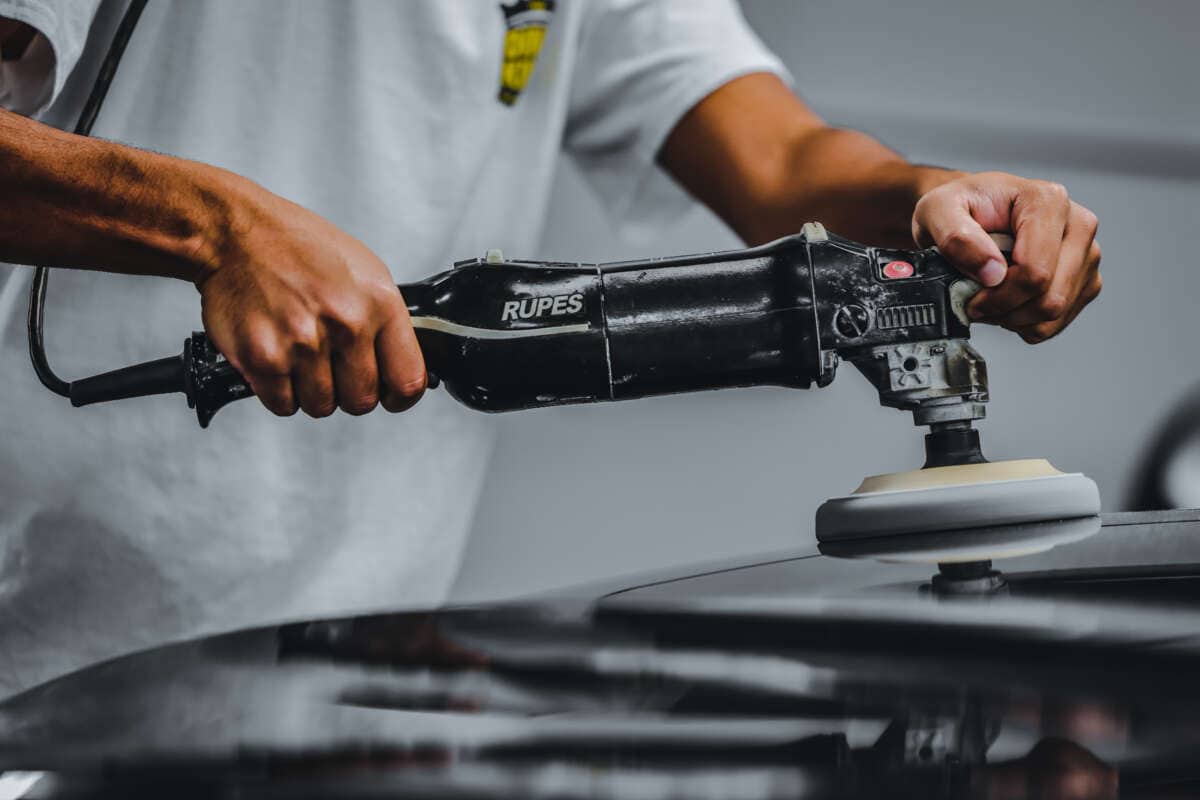
Learn to assess paint defects and use machine polishing to remove swirls, scratches, and oxidation, restoring depth and clarity to a vehicle’s finish.
- Defect assessment
- Machine polishing
- Pad & compound selection
- Finish refinement
Used shops, detailers, and dealerships to restore and elevate vehicle appearance.
Detailing technician, paint correction specialist, or mobile service provider.
See the Training
in Action.
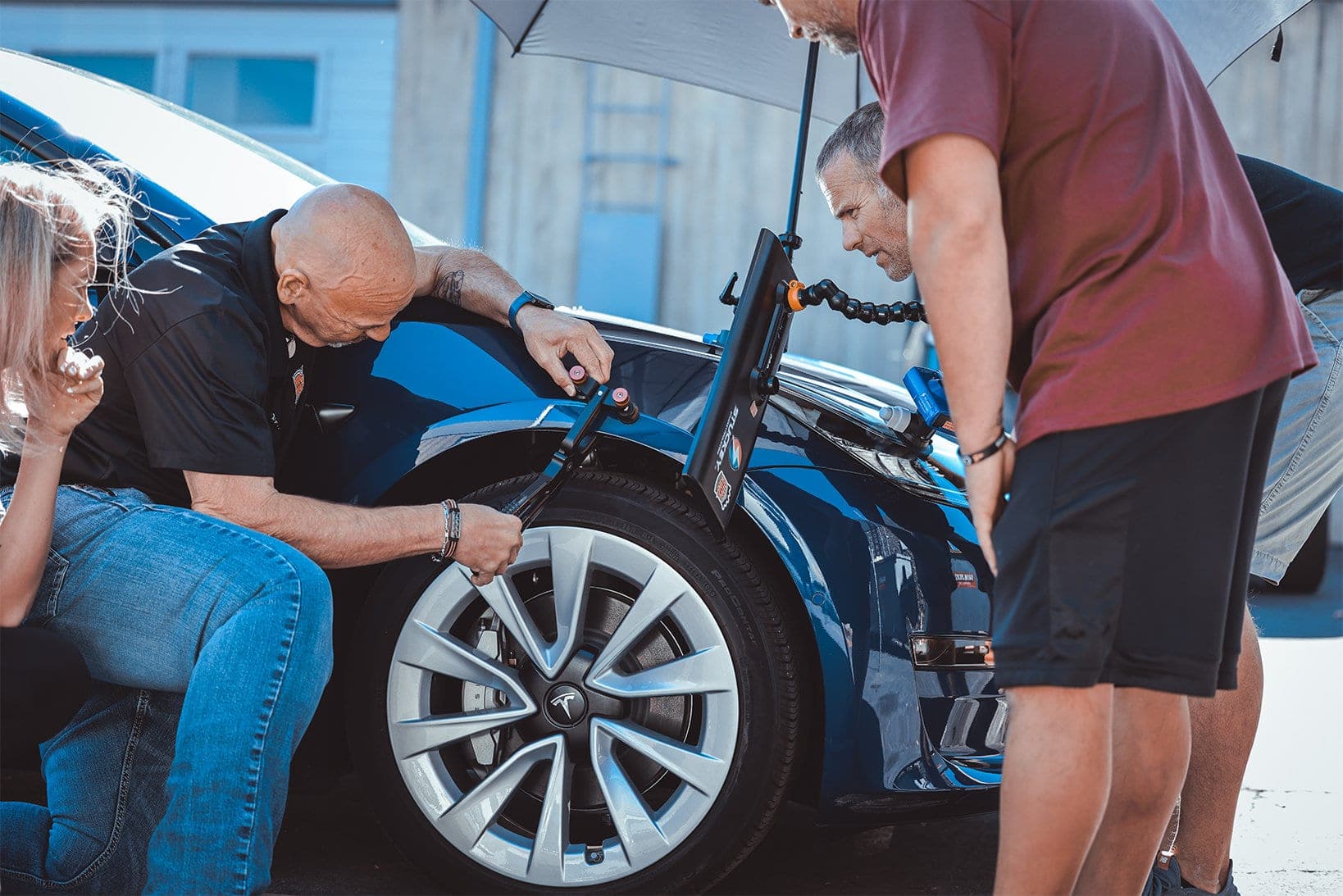
Watch a fellow veteran train in paintless dent repair — one of the core cosmetic reconditioning skills you build hands-on, working directly on real vehicles.
Learn It.
Do It.
Master It.
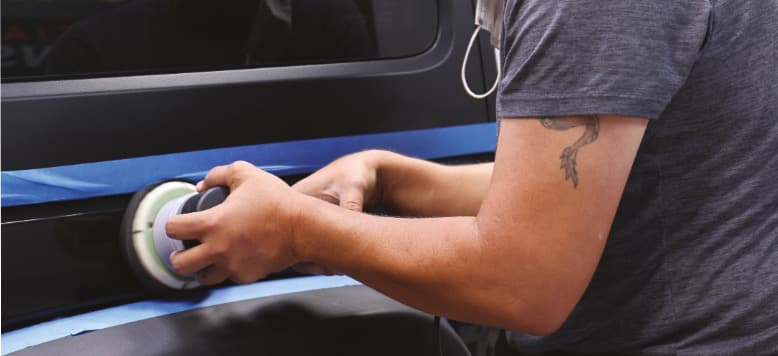
Reconditioning is a hands-on trade, so the training is too. You work directly on vehicles, practice each technique, and build real skill through repetition and feedback — not slideshows.
The goal is confidence: the ability to walk up to a vehicle, know what it needs, and deliver professional-grade results.
The Reconditioning
Sequence.
Every vehicle follows a disciplined sequence. You learn to run it start to finish, to a repeatable standard.
- 01
Inspect
Assess the vehicle and document its condition.
- 02
Prepare
Clean, decontaminate, and set up the work.
- 03
Correct
Address defects, paint, and surface issues.
- 04
Protect
Apply coatings and protective finishes.
- 05
Finish
Detail the final surfaces inside and out.
- 06
Verify
Inspect against standards before handoff.
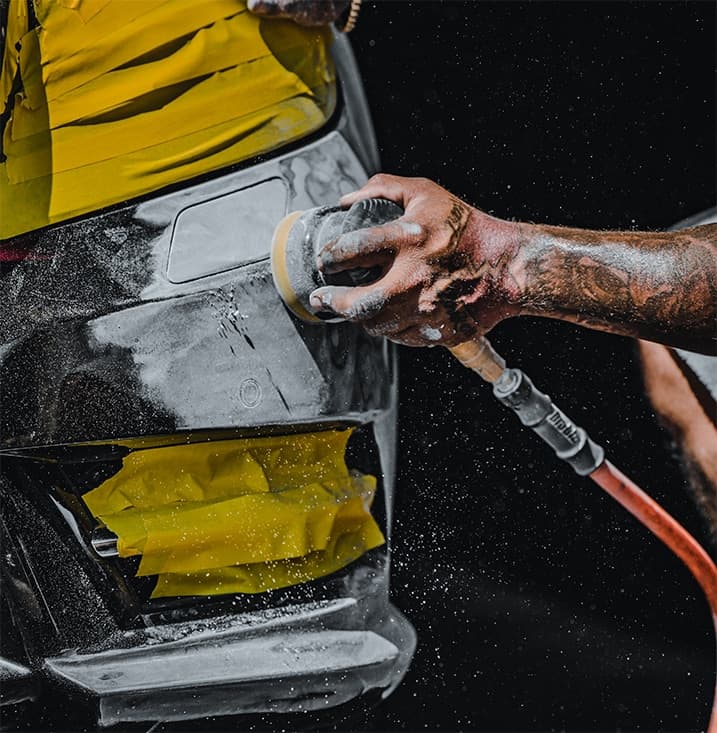
Removing defects and restoring gloss to the finish.
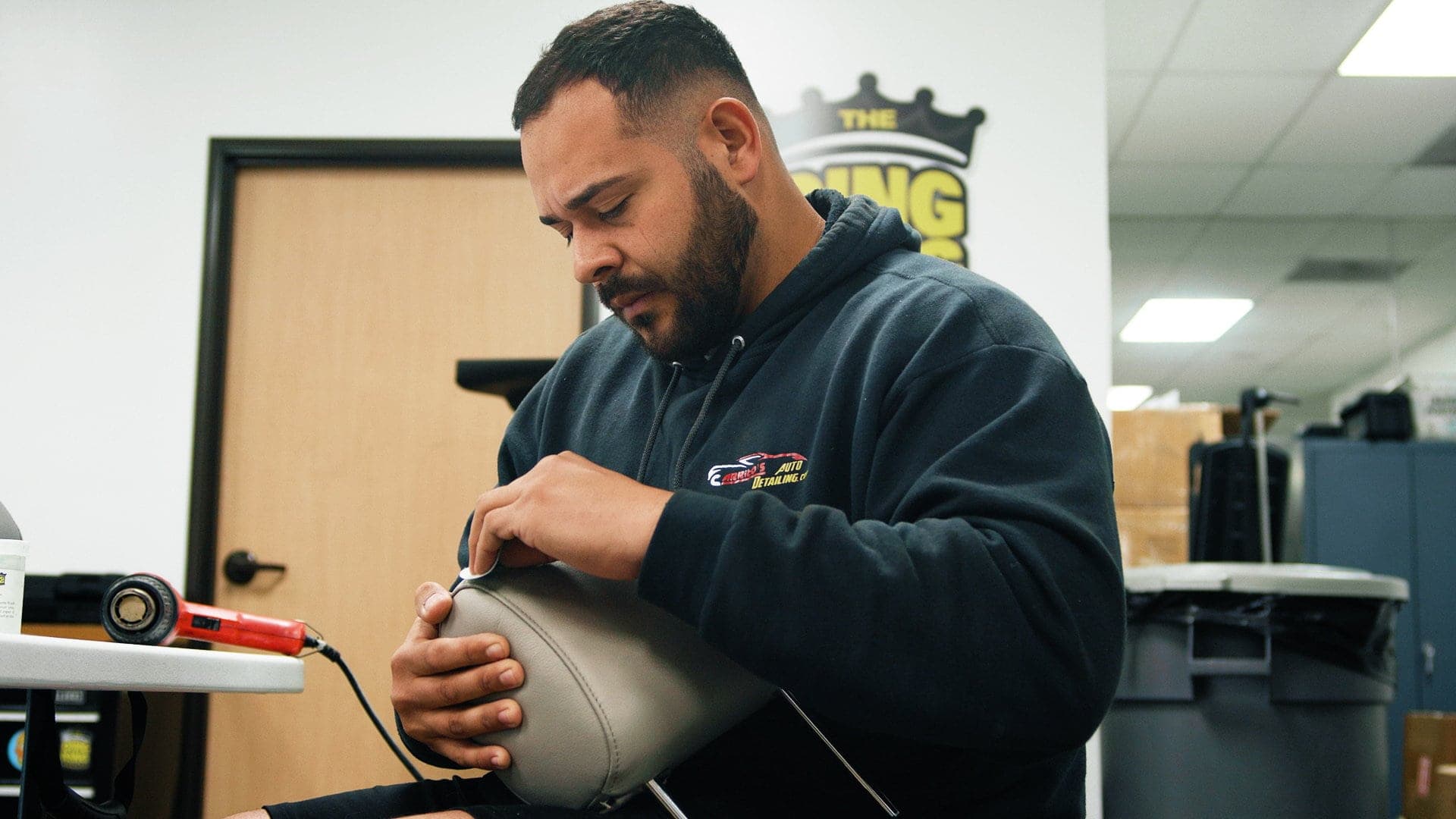
Reconditioning seats, trim, and interior surfaces.
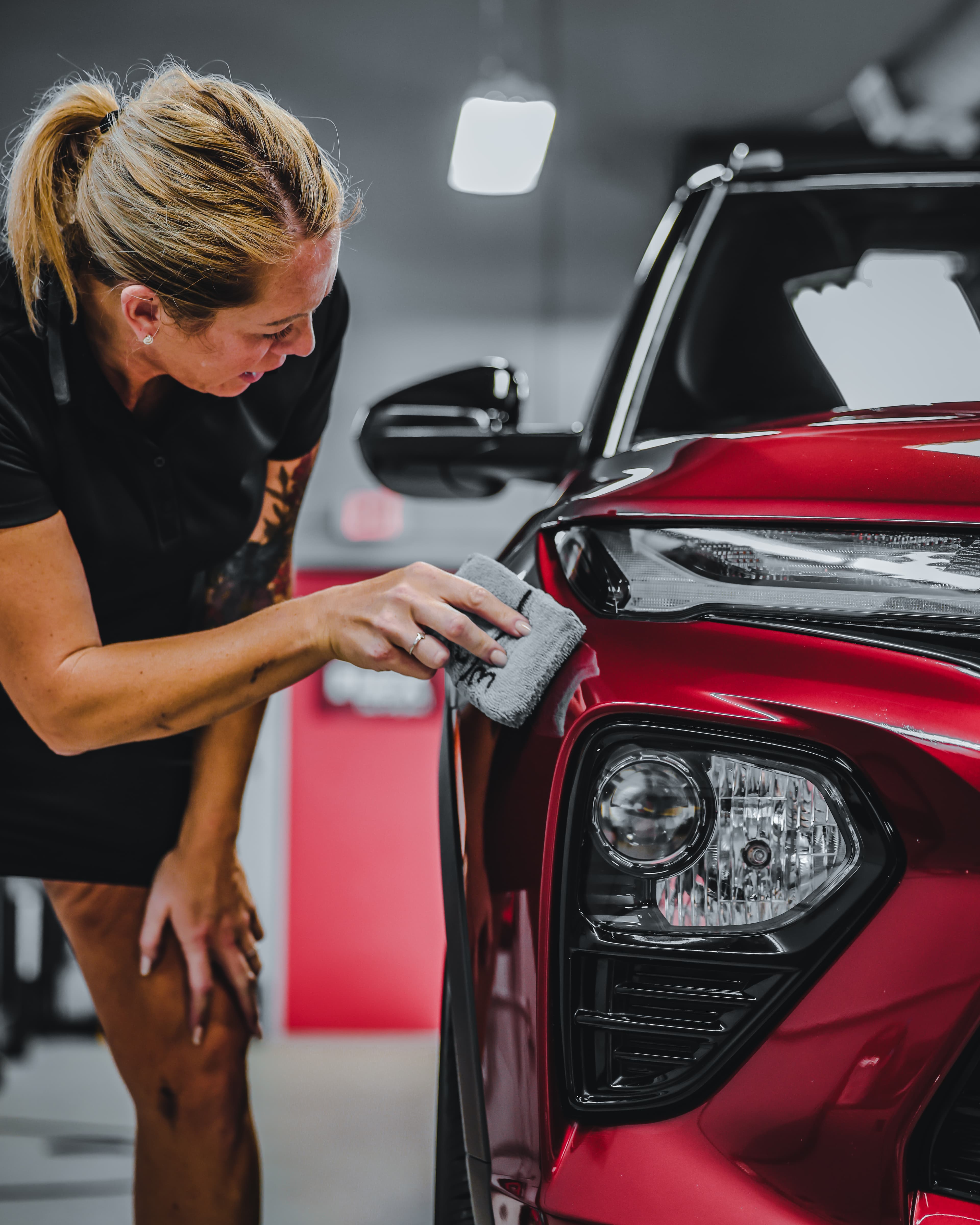
Applying protective ceramic and film finishes.
Fixing scuffs, chips, and cosmetic damage.
Learn the Trade.
Understand the Business.
Technical skill is the foundation — but knowing how the work gets sold, priced, and delivered is what turns a skill into a livelihood. Training touches the fundamentals that surround the trade.
Learning these fundamentals is not a promise of business success. Outcomes depend on many factors and are not guaranteed.
- 01Customer experience
- 02Estimating & pricing
- 03Workflow & scheduling
- 04Quality control
- 05Professional standards
- 06Business fundamentals
.jpg&w=3840&q=75)
Finish Trained.
Finish Ready.
Training is built to take you from no experience to job-ready skill in a real, in-demand trade — with the confidence to back it up.
Program Details.
The specifics below are confirmed directly with the admissions team. Reach out for current details on schedule, tuition, and start dates.
- Contact admissions
- Contact admissions
- Contact admissions
- Contact admissions
- Hands-on instruction
- No experience required
- No experience required
- Built around veterans
- Hands-on from day one
Can Your Benefits
Help Fund This?
For eligible veterans, education and vocational training benefits may help cover the cost of training. See how the Post-9/11 GI Bill and VR&E pathways work.
Ready to Start
Training?
Explore admissions and take the first step toward your next mission.