The Automotive Trade
Most People Never See.
Automotive reconditioning is the specialized trade of restoring, improving, protecting, and preparing vehicles cosmetically — the work that makes a vehicle look its best before it's sold, delivered, or driven.
What Is Automotive
Reconditioning?
Automotive reconditioning is the specialized trade of restoring and improving vehicles cosmetically — correcting paint, refreshing interiors, repairing minor damage, and finishing vehicles so they look their best.
It's the work behind the scenes that prepares vehicles for dealerships, fleets, auctions, and everyday owners — a high-demand skill set with room to work, specialize, or build a business of your own.
The disciplines shown are examples of the broader reconditioning industry.
- 01Paint Correction
- 02Detailing
- 03Interior Reconditioning
- 04Paintless Dent Repair
- 05Wheel Repair
- 06Glass & Chip Repair
- 07Cosmetic Repair
- 08Ceramic Coatings
The reconditioning industry is broad — it spans many specialties, from detailing and paint correction to wheel, glass, and dent repair, performed across shops, dealerships, and mobile services nationwide.
Veteran Trade School focuses on the core cosmetic reconditioning disciplines covered in our training modules. Not every industry specialty shown is part of our curriculum.
Inside the
Reconditioning Trade.
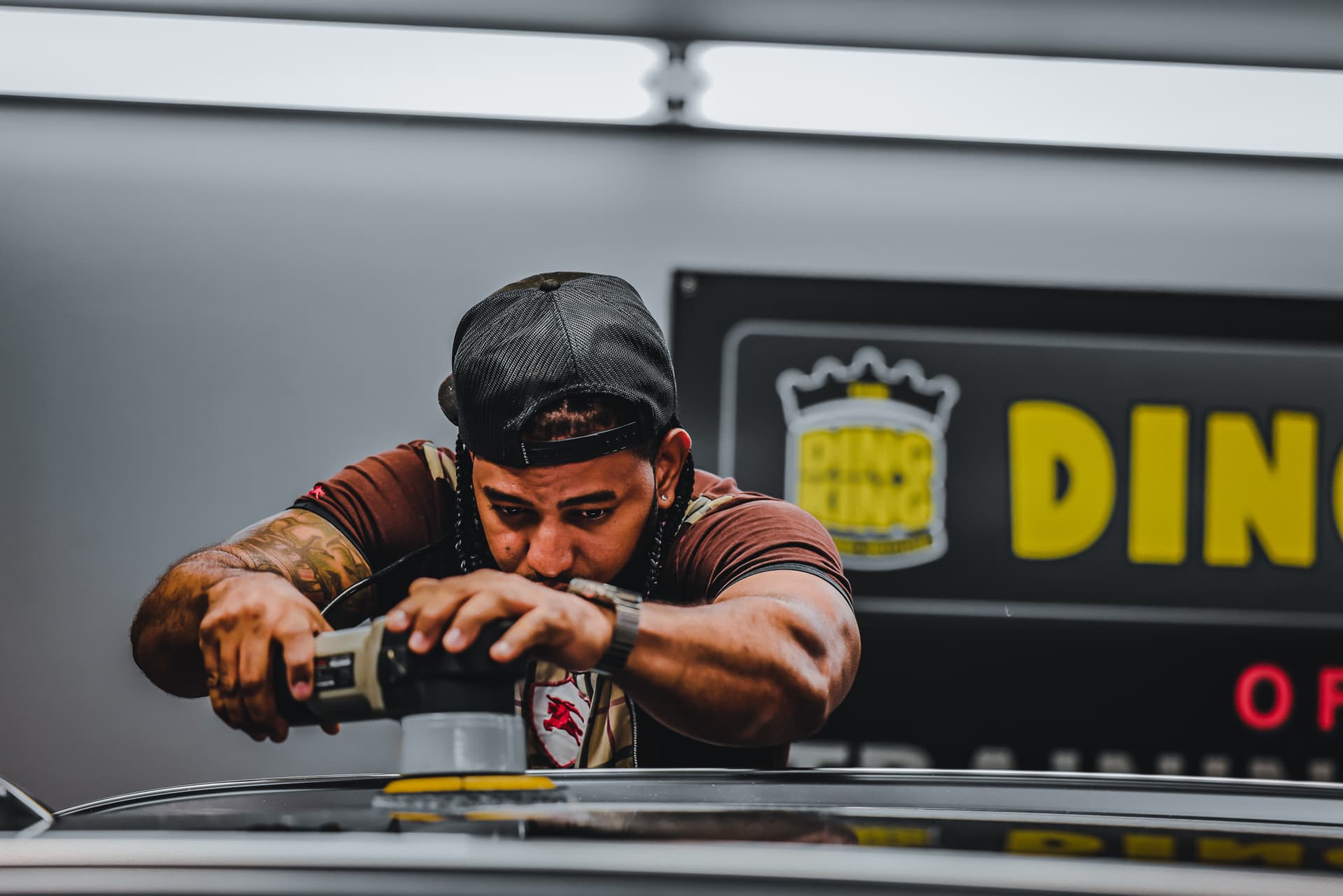
Reconditioning is a family of hands-on specialties. Here is a look at real work across the industry — a range broader than any one shop, and broader than the core disciplines VTS teaches.
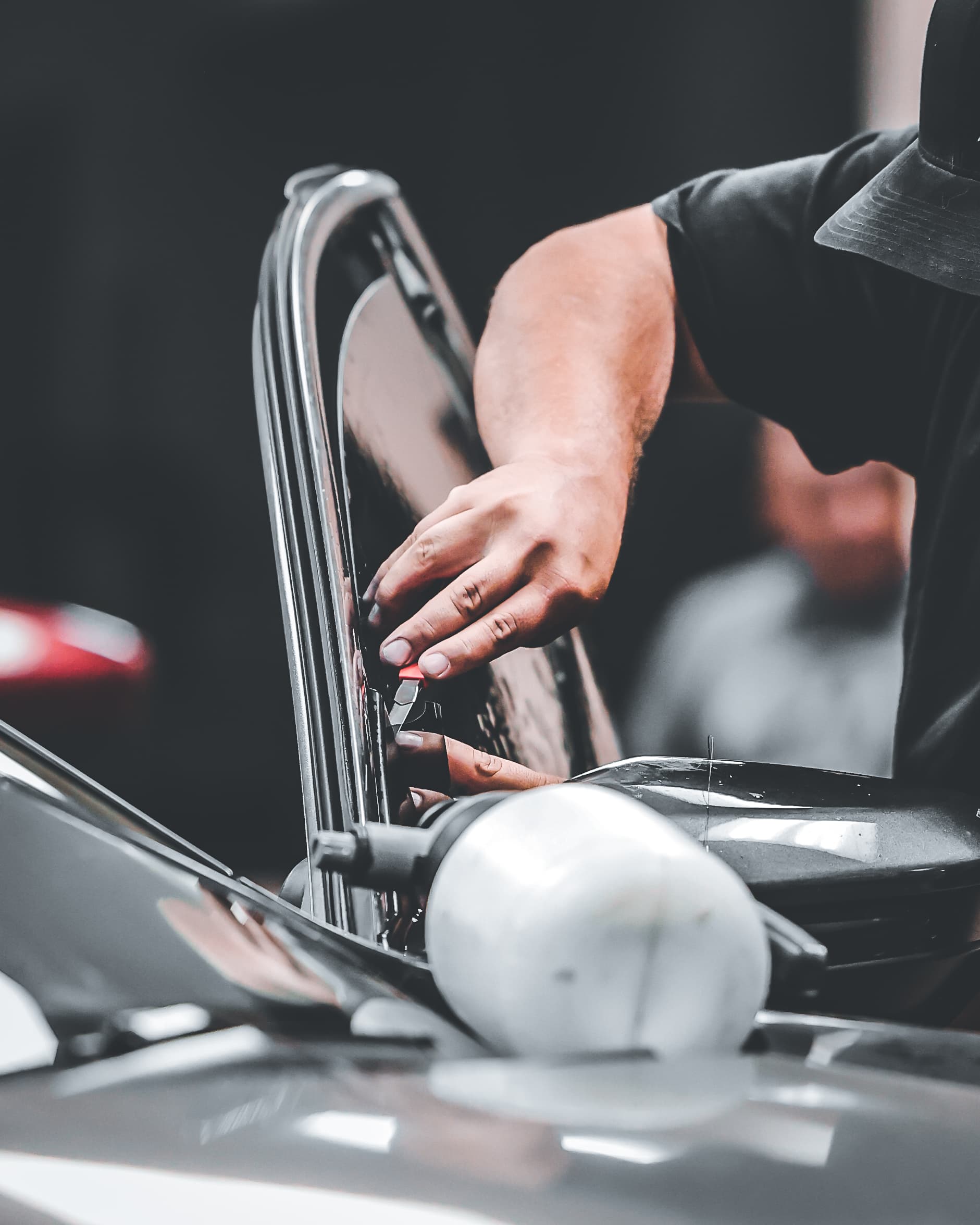
Cutting and applying film to glass with precision.
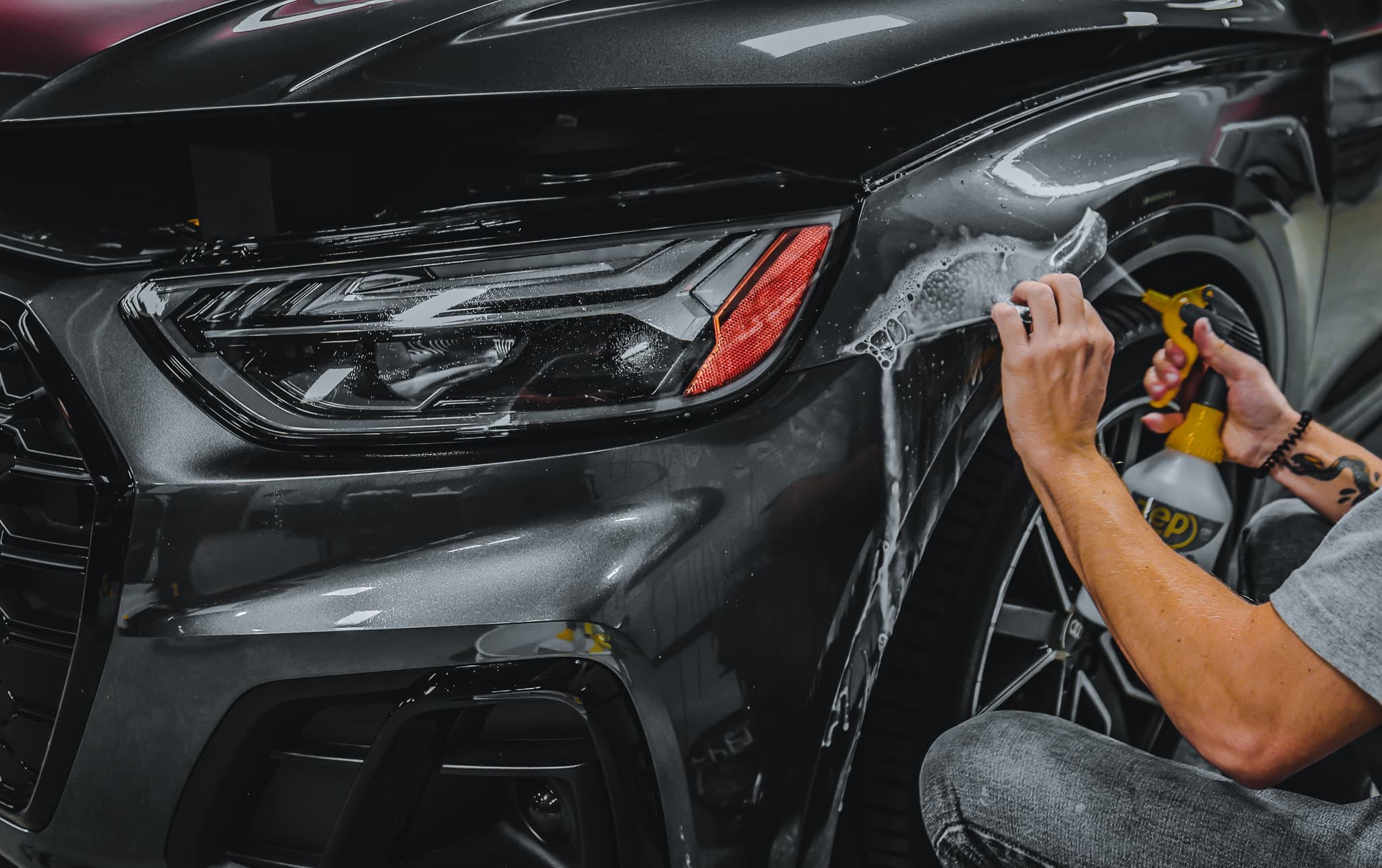
Protecting paint with clear, durable film.
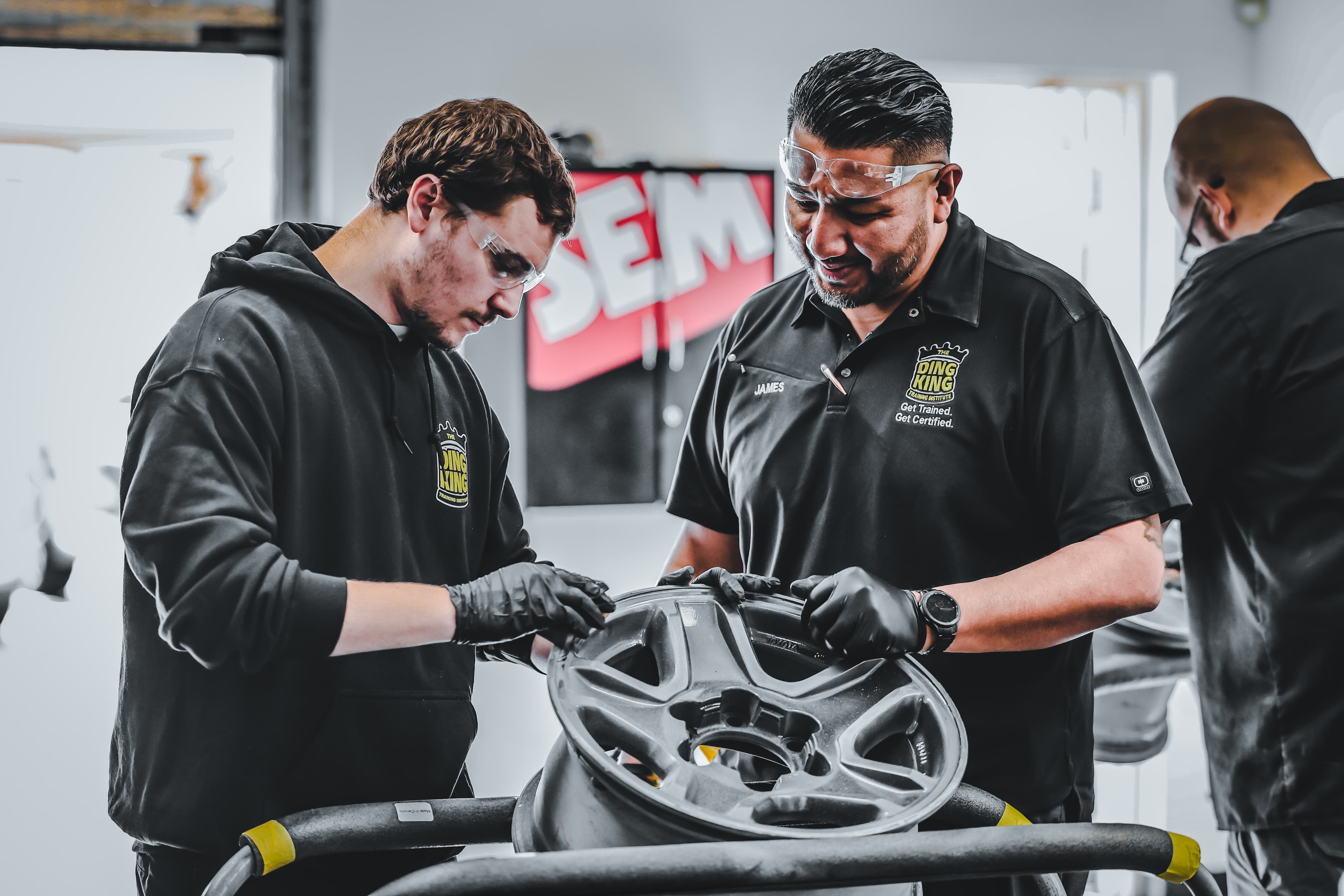
Restoring curbed and damaged wheels.
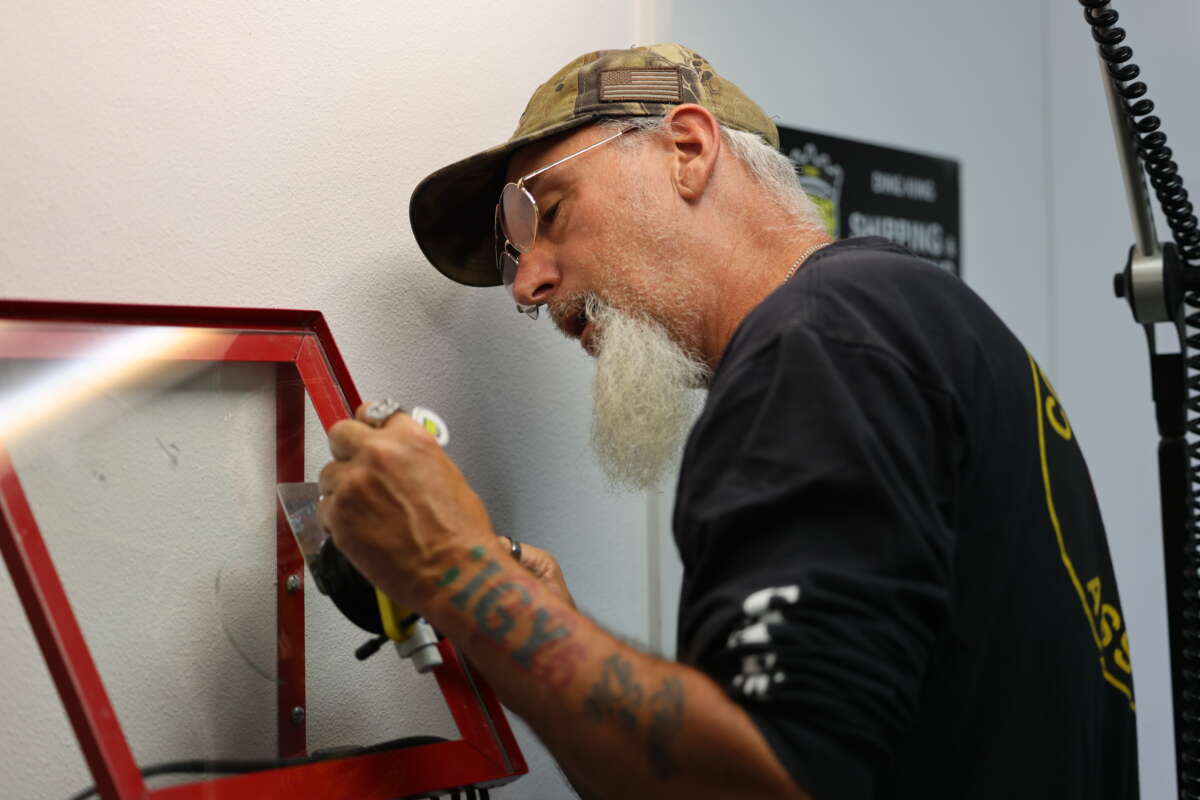
Repairing chips and cracks in glass.
VTS focuses on the core cosmetic reconditioning disciplines in our training modules. Not every specialty shown here is part of our curriculum.
Every Vehicle
Creates Work.
Reconditioning sits at a critical point in every vehicle's journey. Dealerships, fleets, auctions, and owners all rely on it to protect value and presentation.
Trade-In
Inspection
Reconditioning
Presentation
Sale / Delivery
One Trade.
Multiple Directions.
The same core skills open several directions. These are common paths within the industry — not guarantees of employment or income.
Reconditioning Technician
Perform core reconditioning work across a range of vehicles.
Specialty Technician
Focus on a discipline such as paint correction or coatings.
Dealership / Fleet
Prepare inventory and vehicles at volume for dealers and fleets.
Mobile Service
Bring reconditioning services directly to customers.
Entrepreneurship
Use the skill set as the foundation for your own operation.
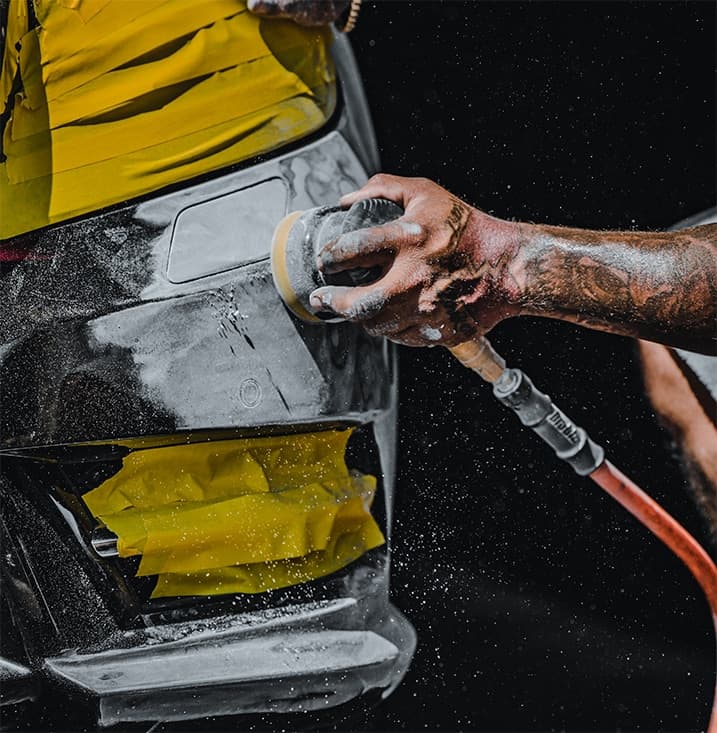
Skilled Work,
Done by Hand.
This is a trade of precision and process — the kind of disciplined, hands-on work that rewards the way veterans already operate.
Why It Fits
Veterans.
The work maps almost directly onto how you already operate. The traits below aren't extras in this trade — they're the job.
Reconditioning rewards a careful eye and a steady hand.
Repeatable, disciplined sequences produce consistent results.
The work is judged against a clear, high standard.
You own the result the customer sees and pays for.
Every vehicle presents a slightly different challenge.
Progress is visible, tangible, and finished on time.
See How the
Training Works.
Explore the hands-on modules that turn this opportunity into a skill set.